
Centralize proposal management
Eliminate the back-and-forth. Build, send, and sign winning A&E proposals in minutes.
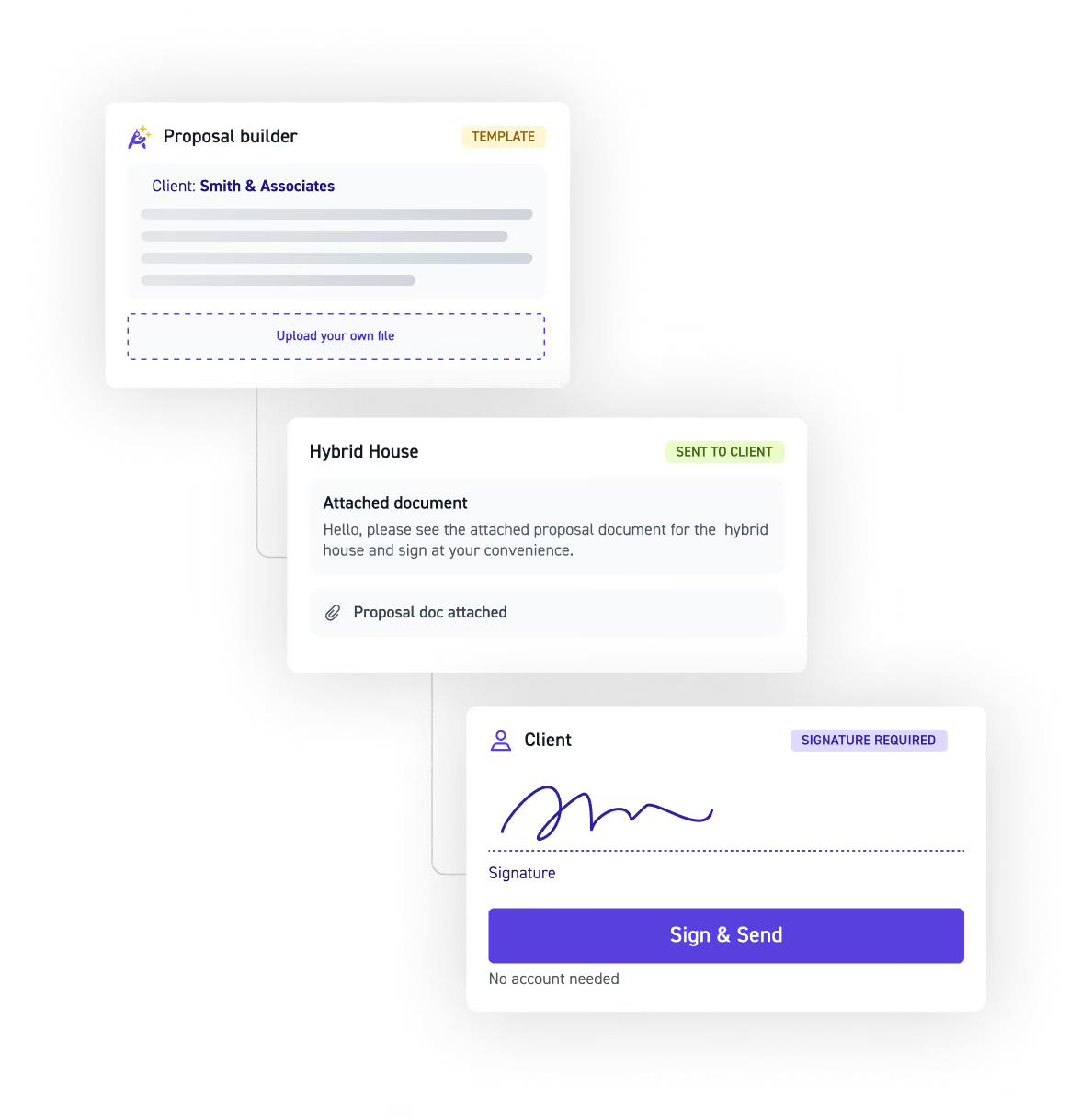
Turn opportunities into future work faster
Manage your entire A&E proposal process in a single platform integrated with live lead data.
Build with AI
Every step in one place
Quick & easy approvals
Build, send, and win
Keep proposals moving quickly with a single place that makes closing easy.
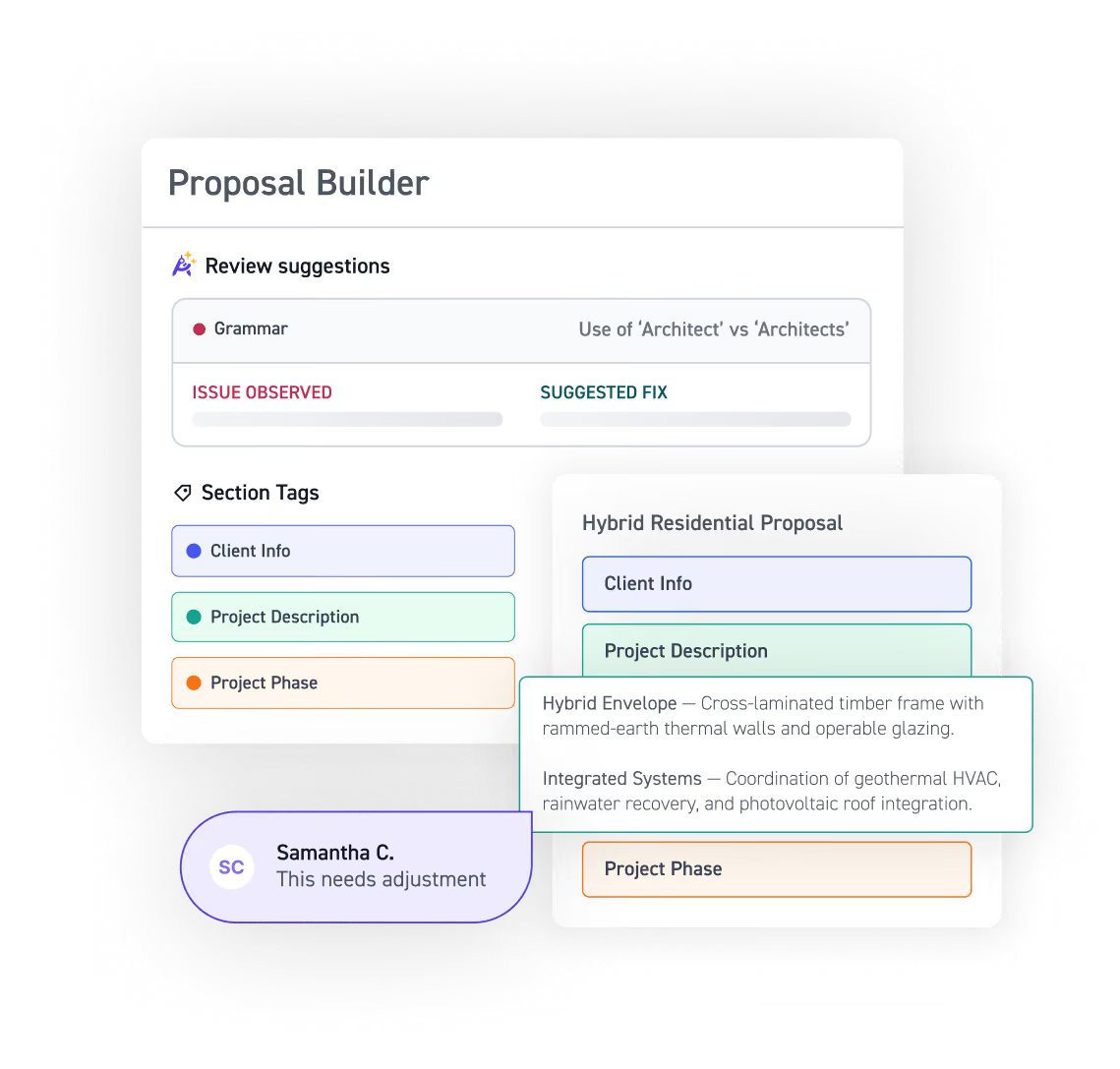
Let AI do the first draft
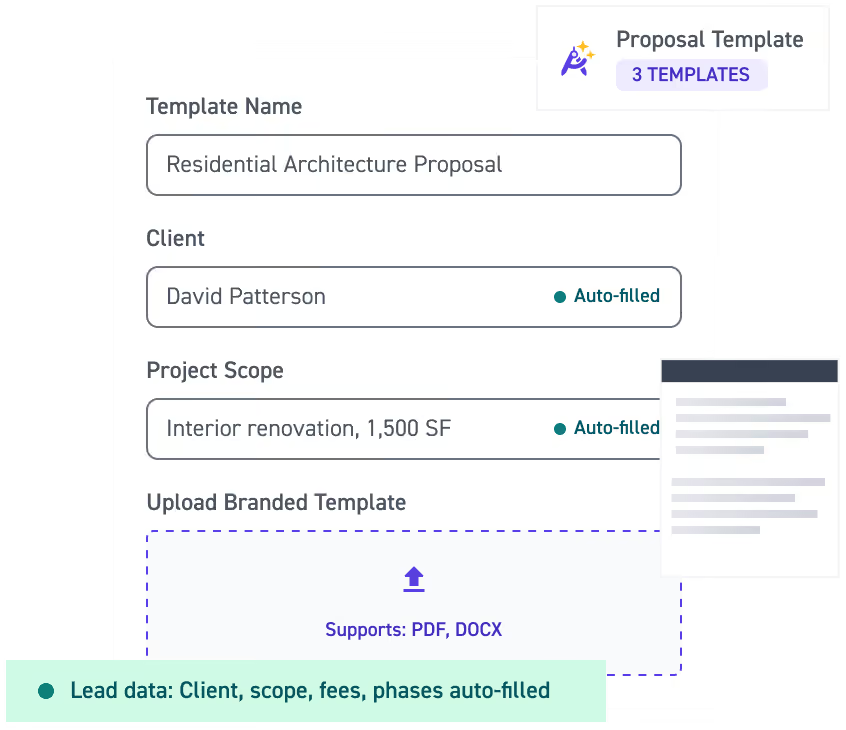
Monograph reads your lead context and generates a ready-to-review proposal, so you focus only on what needs your attention.
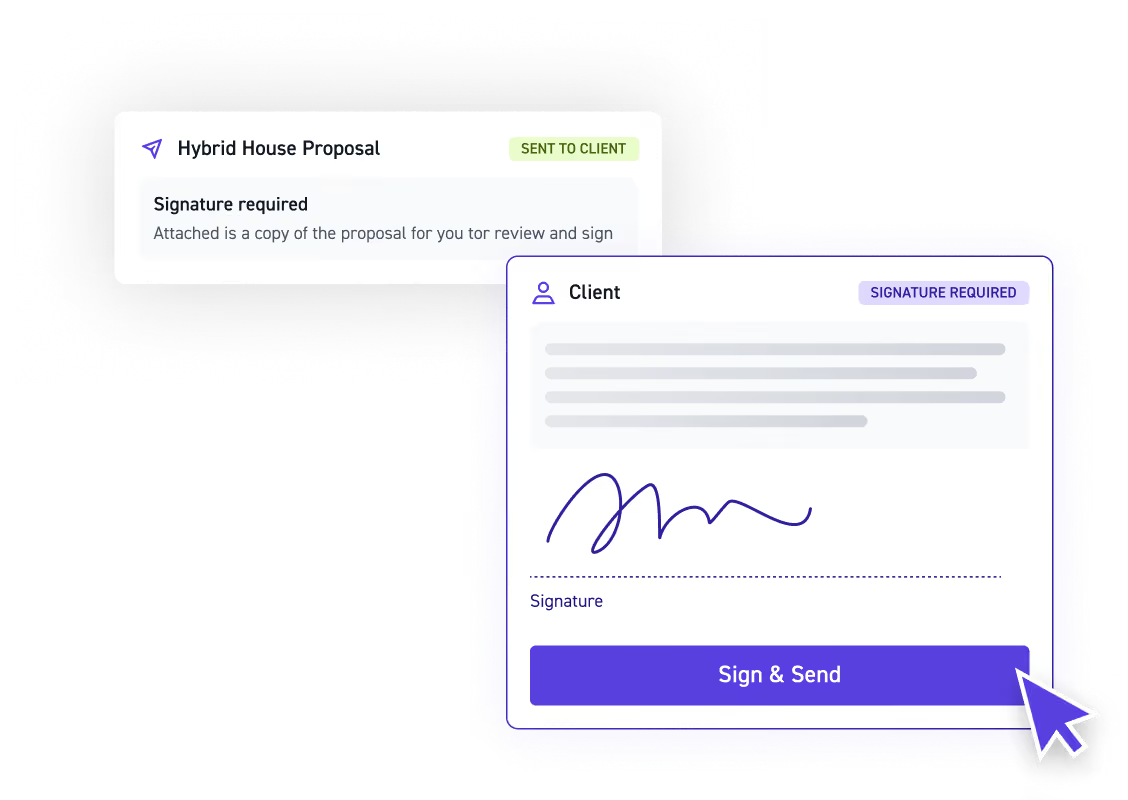
Easy e-signing, no account needed
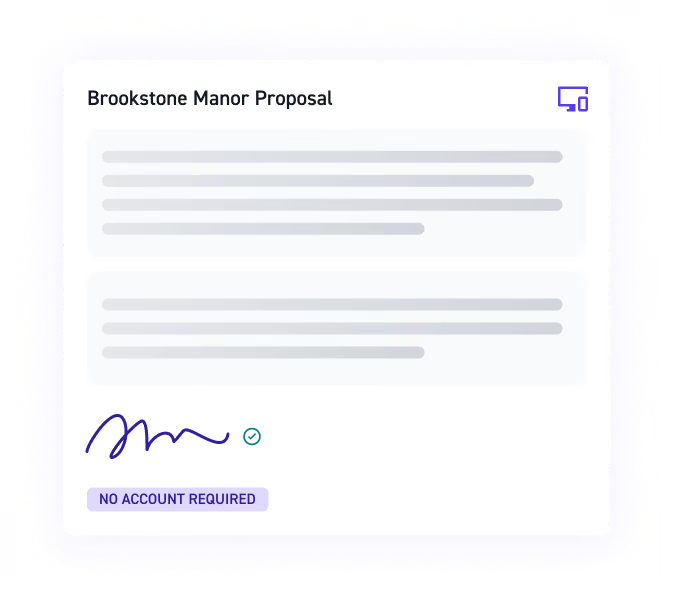
Send proposals and collect legally binding e-signatures. Clients sign on any device, no account needed, so there is nothing slowing them down.
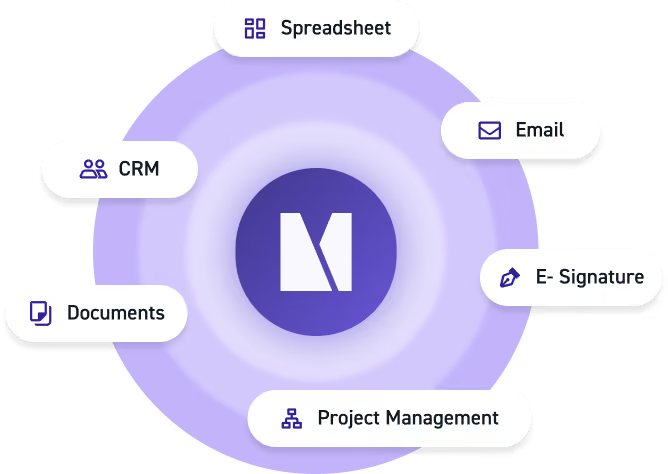
Accelerate project kickoff
Create and begin won projects in the same system where you won the proposal. That means no more wasted time switching between tools.
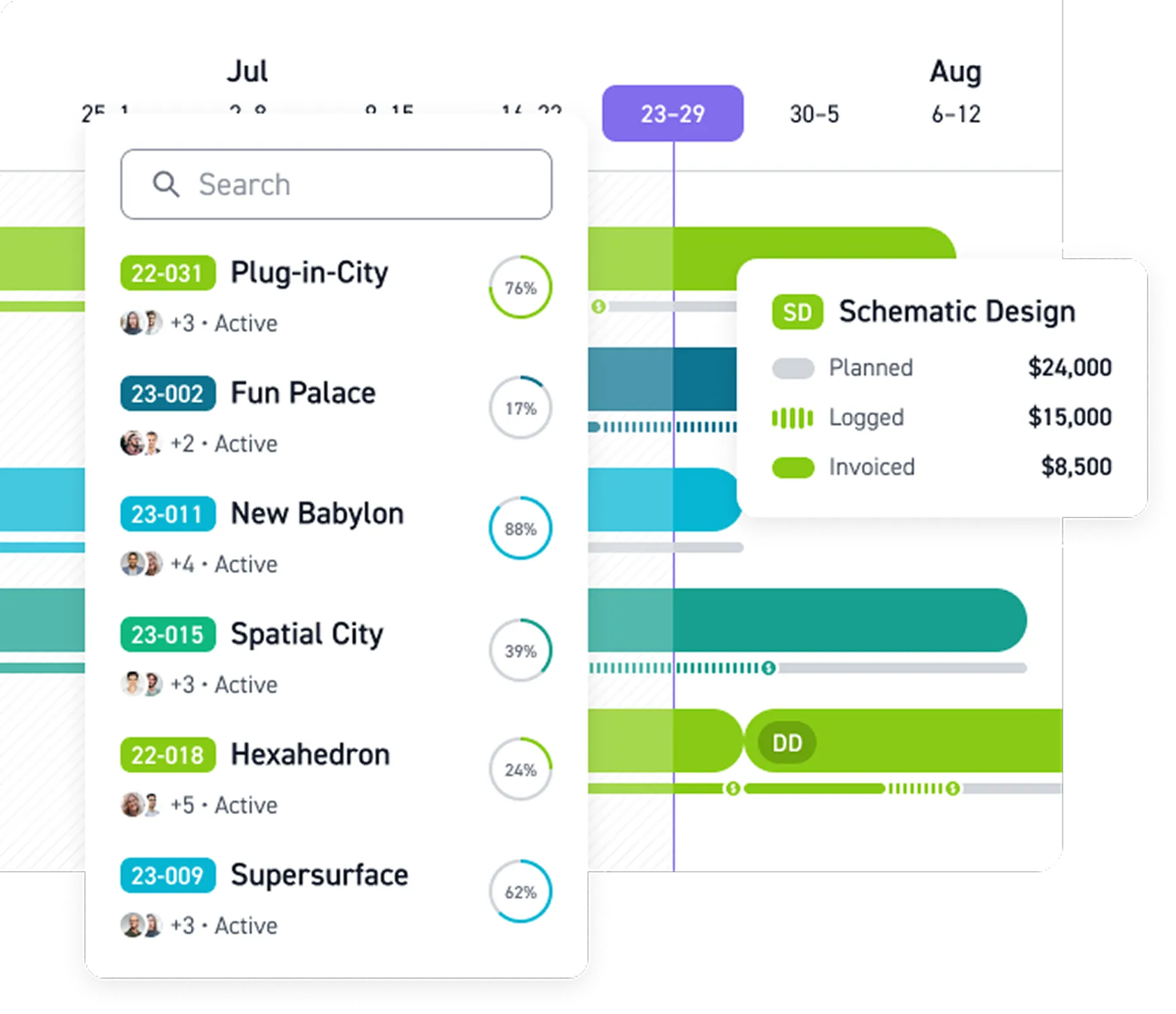
Stop losing work to slow proposals
Build, send, and close proposals faster, all inside Monograph.



















Read more


Frequently asked questions
Can I use my own proposal templates with Monograph?
Yes. You can upload your firm’s branded proposal templates and use Monograph to merge lead and budget data directly into them, such as client information, project scope, phases, roles, fees, expenses, SOWs, and pricing tables. This makes the proposal creation process faster and more consistent, with every proposal built from real project data.
Are electronic signatures legally binding?
Yes. Monograph's e-signatures are legally binding and meet the same standards as DocuSign and similar tools. Electronic signatures are built directly into the proposal approval process, so you don't need to move documents between separate e-signature tools.
How does proposal automation work?
Proposal automation reduces the manual work involved in creating and managing proposals. Monograph uses lead and project data to pre-fill proposal templates, while generative AI can create a first draft based on your lead context. This helps teams spend less time copying information between sales documents and more time reviewing and refining better proposals.
Can my team collaborate on proposals?
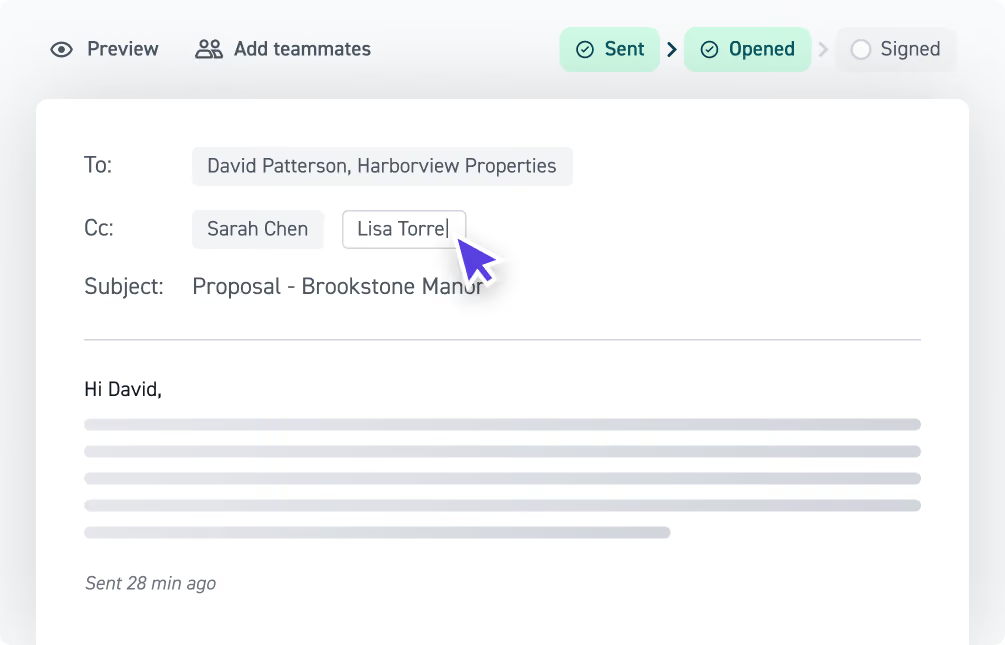
Yes. Monograph gives teams collaboration tools to build, review, and manage proposals together. Team members can stay involved throughout the proposal creation process, while live status updates and a centralized document management workflow help everyone work from the right information.
How does Monograph handle proposal approvals?
Monograph keeps the approval process digital from start to finish. Teams can send proposals for review, keep approval workflows moving, and collect electronic signatures in the same system. Clients can review and e-sign without creating an account, eliminating unnecessary steps that can slow down approvals.
Can Monograph be used for RFP responses?
Monograph can help A&E firms create project proposals using existing lead, scope, budget, and project information. While dedicated RFP response software may include features like content libraries, security questionnaires, and specialized RFP response workflows, Monograph focuses on helping architects and engineers turn opportunities into project proposals and signed work.
How is Monograph different from proposal software tools like Proposify, PandaDoc, and Qwilr?
Proposal software tools like Proposify, PandaDoc, Qwilr, GetAccept, Loopio, RFPIO, and QorusDocs are built to support proposal or sales workflows across a range of industries. Monograph is built specifically for architects and engineers. Instead of separating proposals from the rest of your firm's work, Monograph connects your sales process, proposals, project budgets, resources, time tracking, invoicing, and project delivery in one platform.
Does Monograph replace Microsoft Word or PowerPoint for creating proposals?
Monograph gives A&E firms a more connected alternative to building every proposal manually in Microsoft Word or PowerPoint. You can use your firm's existing branded templates while pulling live lead and budget information into proposals, reducing repetitive data entry and keeping proposal information connected to the rest of your project workflow.
How is Monograph different from a CRM platform?
CRM platforms like Salesforce and HubSpot are designed to manage broader customer relationships and sales processes. Monograph is firm management software specifically built for architecture and engineering firms, in which Pipeline allows you to connect leads and proposals directly to the projects your team will deliver. This means you can move from opportunity to signed proposal to active project without rebuilding the same information across separate systems.